
Technical depth
Members learn how seismic behavior, load paths, stiffness, and detailing influence a full tower proposal.
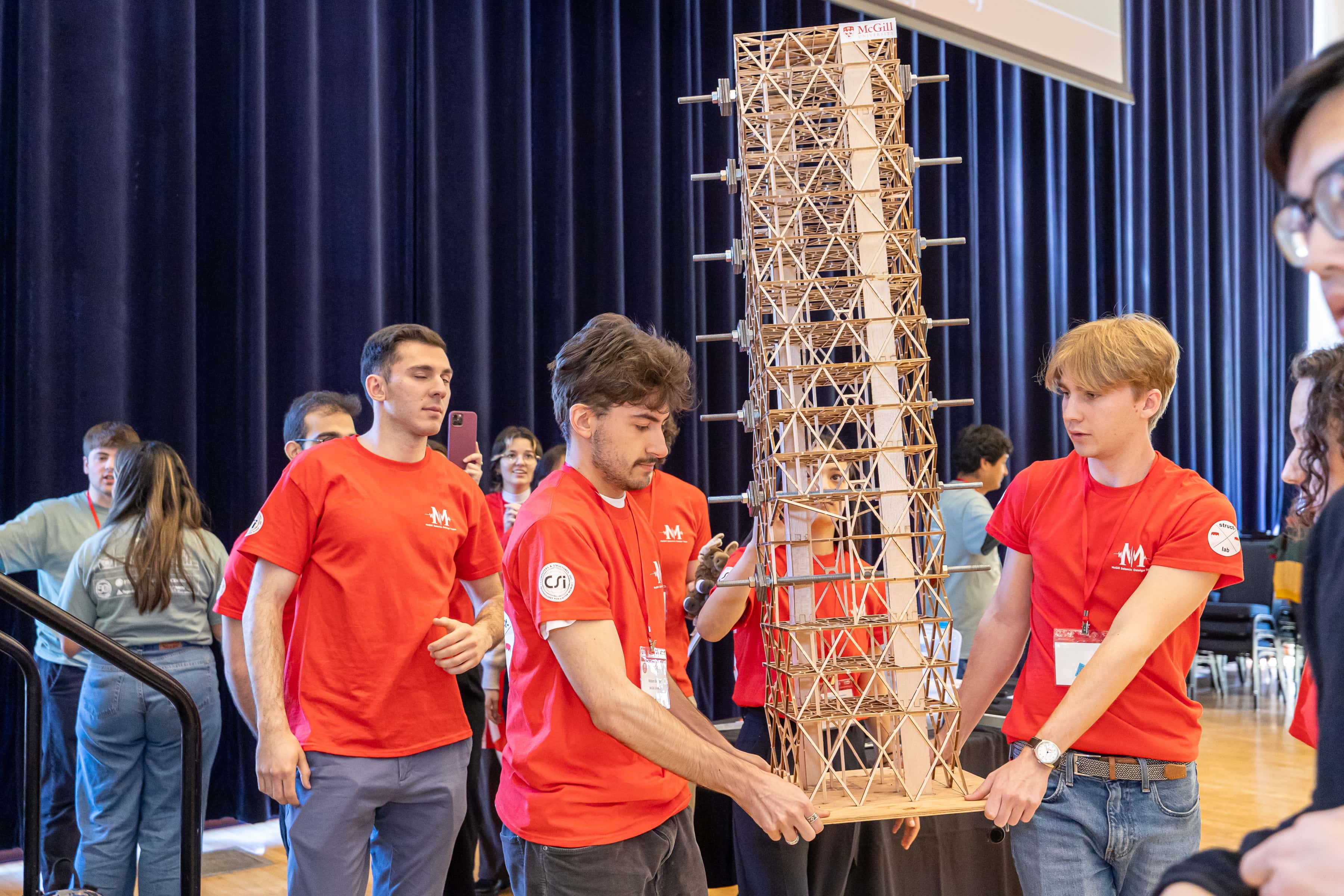
SDT is a working team, not a discussion club — moving through design, analysis, fabrication, and testing every academic year, then defending the result in front of judges.
That process ties design intent, structural logic, and team coordination together into one project, start to finish.
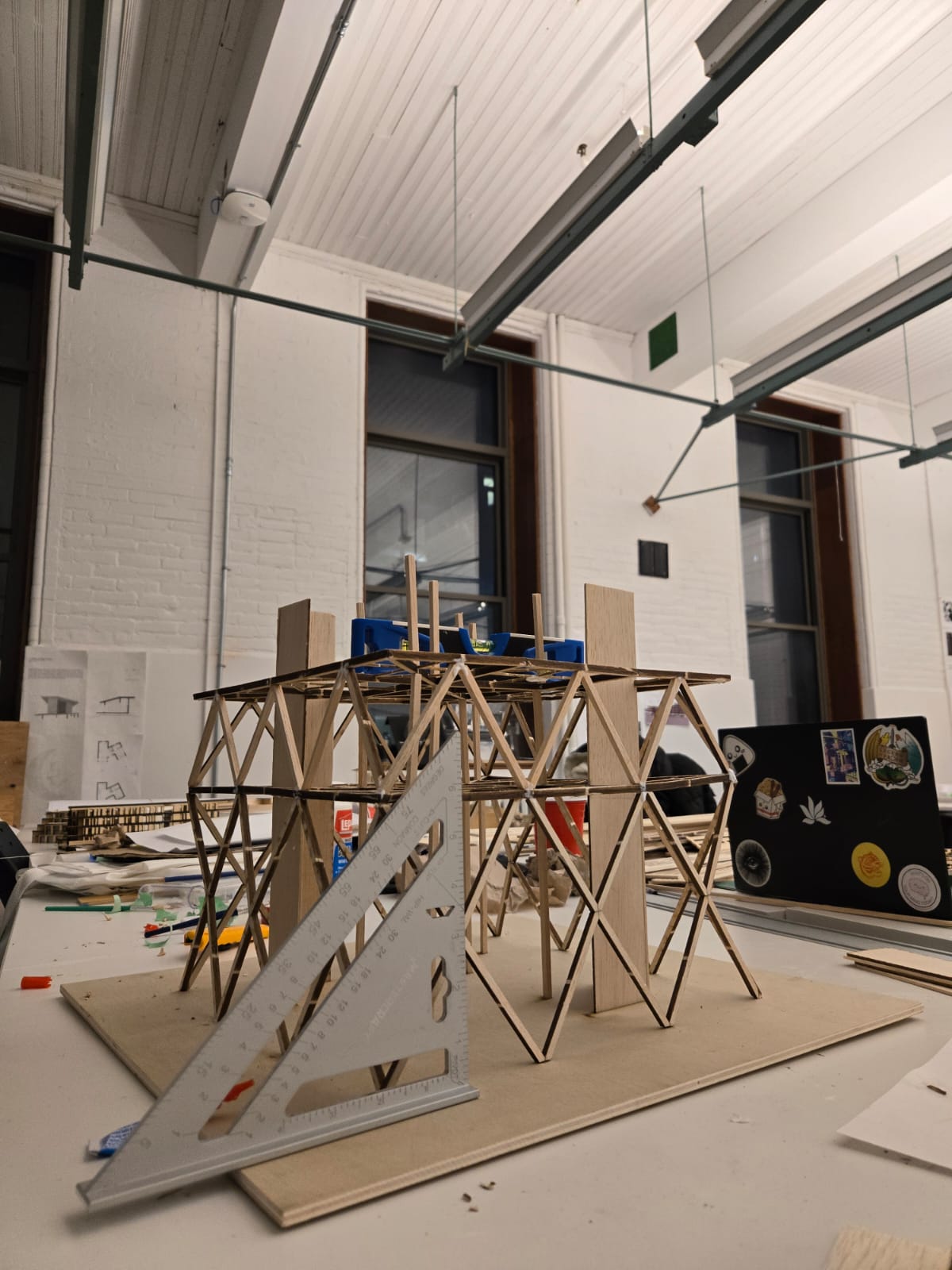
The team is designed to give students a clearer sense of how engineering ideas become real work.
Members learn how seismic behavior, load paths, stiffness, and detailing influence a full tower proposal.
Architecture, structure, and presentation are developed together so the final project reads as one clear idea.
The work is not limited to drawings. Members fabricate, assemble, test, document, and present the final model.
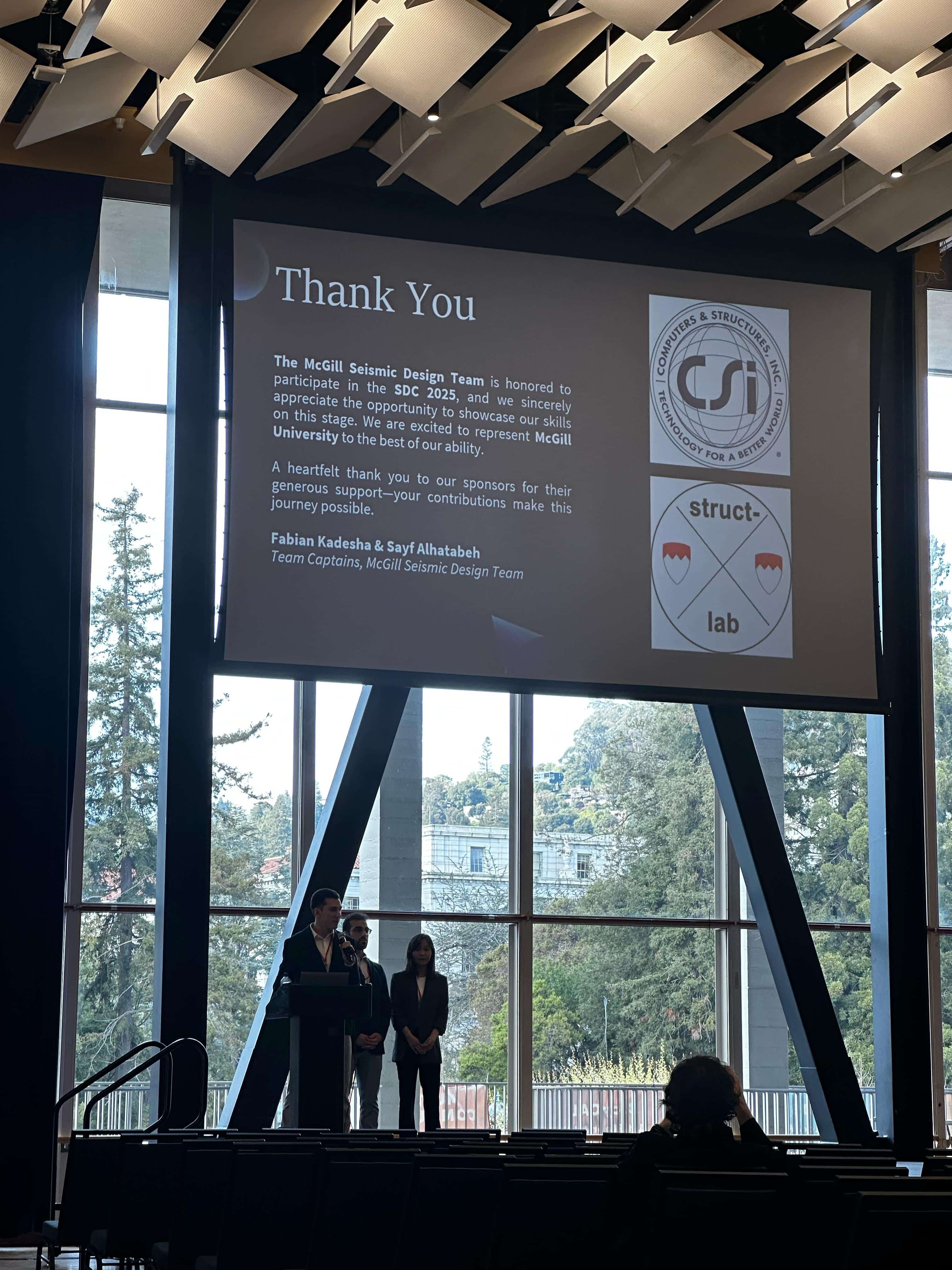
SDT competes in the EERI Seismic Design Competition, where universities design high-rise balsa towers and present both their structural reasoning and design intent.
SDT's debut season placed 6th in Best Architecture with Komorebi Tower out of 53 universities. The following year, at SDC 2026 in Portland, the team improved to Top 3 in Best Architecture against 40+ university teams.
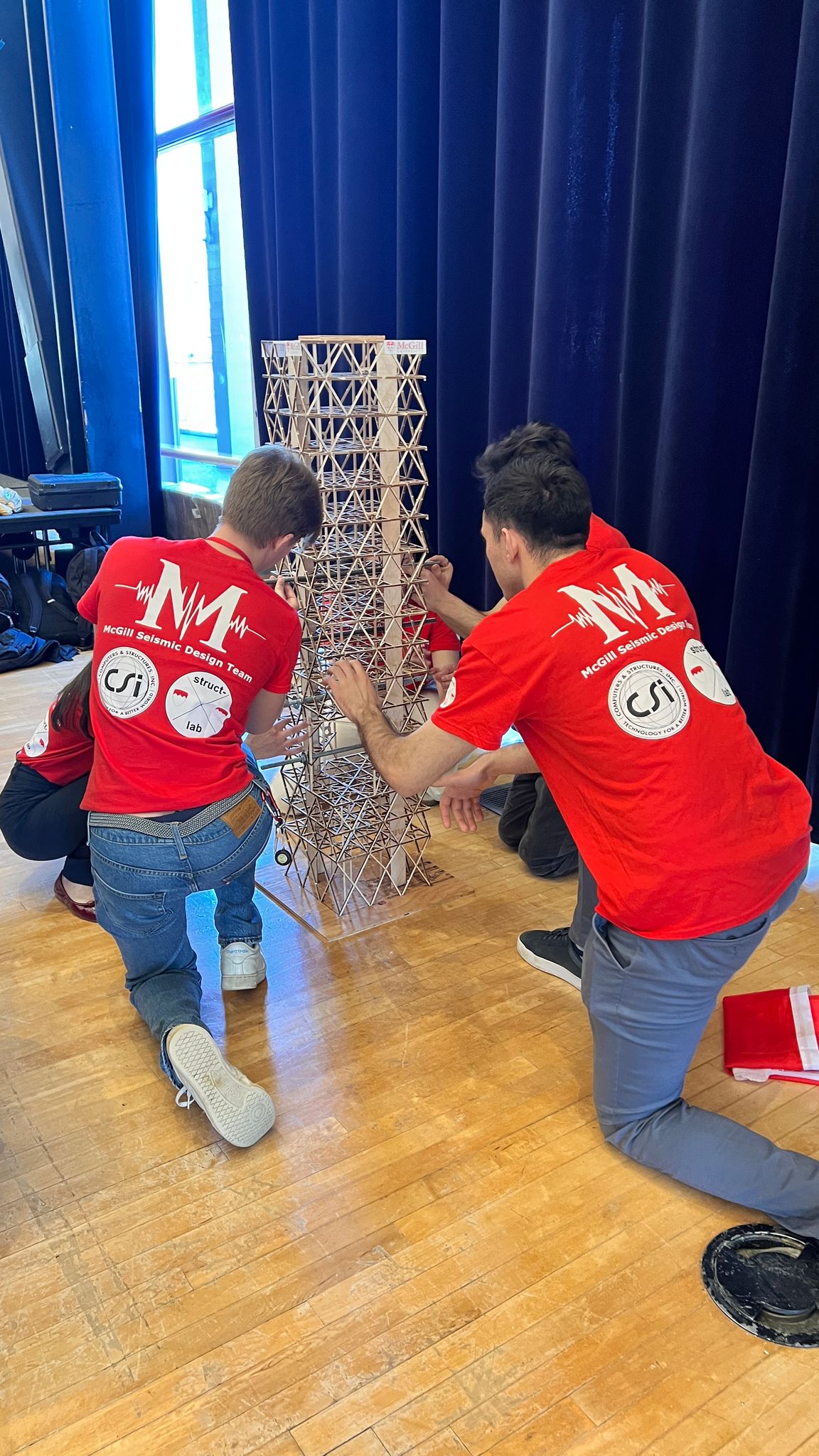
The work evolves over time, but the team keeps one continuous project narrative from the first concept review to the competition floor.
Each season begins with competition rules, precedent study, early concepts, and internal reviews.
The team refines the tower system, architectural language, and presentation logic before fabrication begins.
Members assemble the tower, prepare deliverables, and bring the project to testing and final judging.
SDT members contribute through several complementary areas of work.
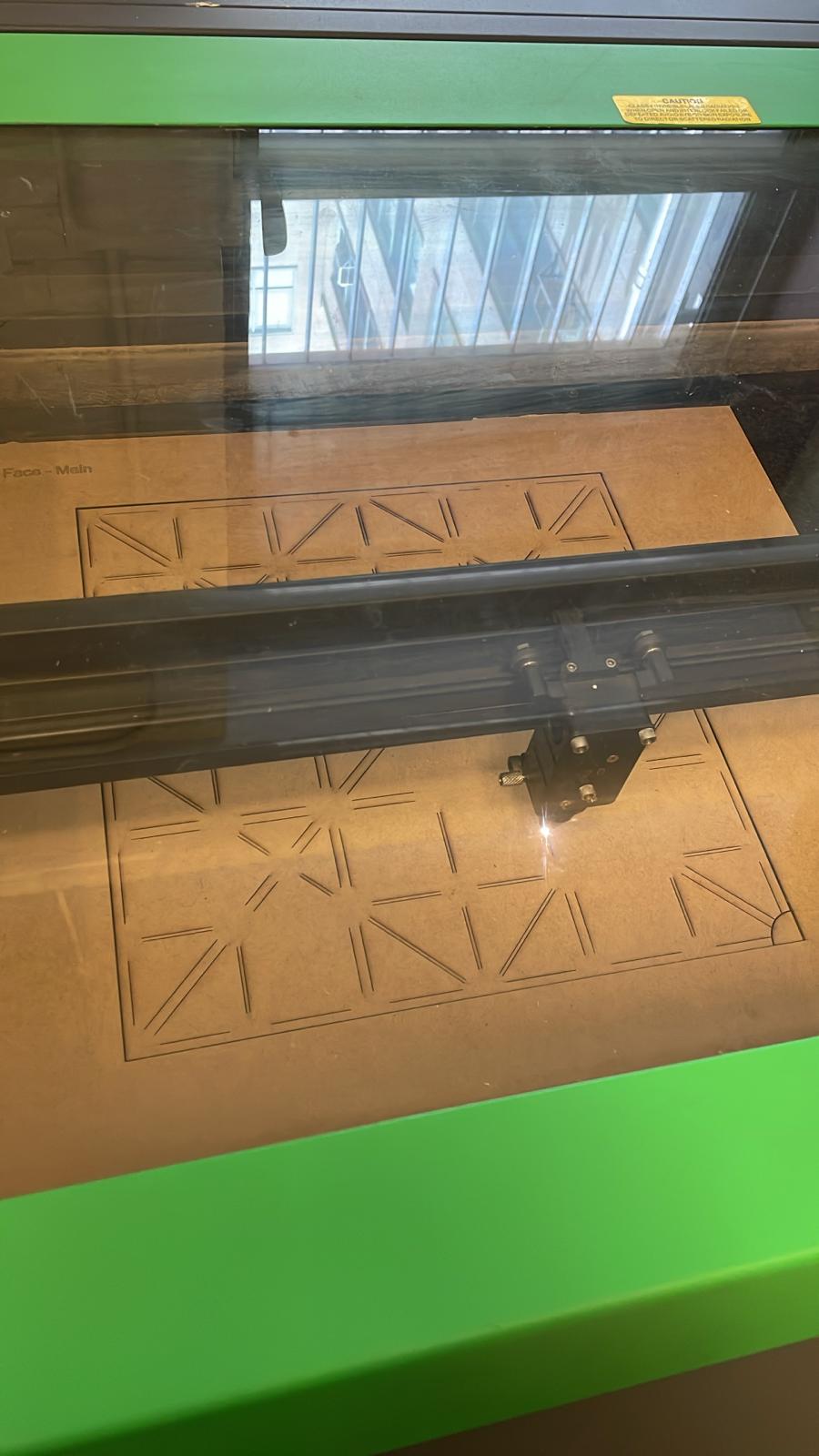
Members design the tower to resist lateral and gravity loads while respecting competition constraints.
The architecture direction shapes the tower identity, interior organization, and presentation story.
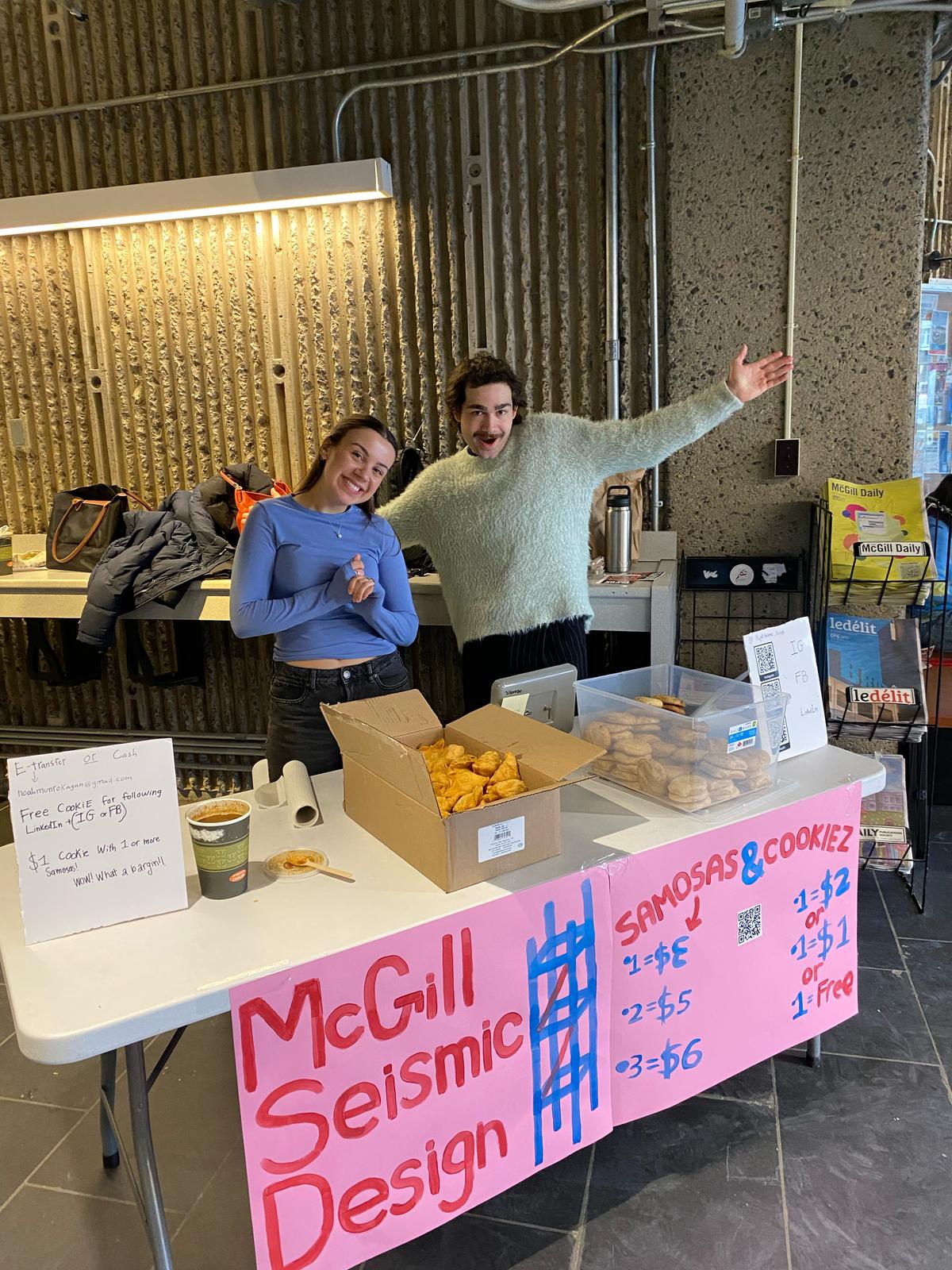
The project is fabricated, assembled, and prepared for testing and final competition presentation.
Meet the members building the season and explore how the competition work comes together.